


As the direct link to more than 9,000 contract smallholder farmers, the team coordinates harvest buying without intermediaries and ensures that every delivery of macadamia nuts, avocados, and mangoes reaches our processing facilities traceable and organic-certified.
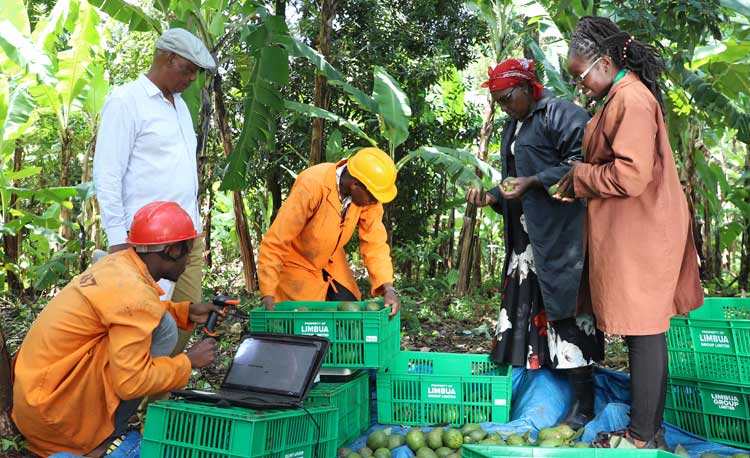
The LIMBUA Field Team supports smallholder farmers during harvest and buying activities
The Field Team takes on central responsibilities within the farmer network every day. Team members guide farmers in organic cultivation practices, support the management of diverse agroforestry systems, and support the implementation of environmental and social standards on the farms.
The latest training programme aimed to strengthen this foundation further by updating skills and knowledge in line with new developments in organic agriculture and certification.
Why Continuous Training Matters
Regulations and expectations in organic farming and traceability have grown significantly—especially with the updated EU organic rules, which include:
- Stricter traceability and documentation requirements
- Tighter rules on contamination and risk assessments
- New compliance standards for organic imports into the EU
- More detailed expectations for certifiers and increased audit oversight
To maintain a reliable supply chain, our Field Teams must stay well-trained and up to date.
The training therefore combined technical knowledge, practical fieldwork, and quality assurance. The aim was clear: strengthen existing good practices, integrate new learnings, and give Field Officers even more confidence in advisory work, documentation, and agronomy.
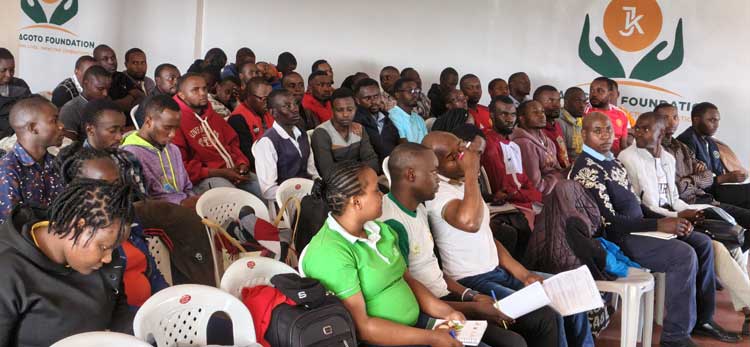
The Field Team received the training at Ahava Organics
Hands-On Learning on Smallholder Farms
The sessions were conducted by our internal Agronomy Management Team together with external organic expert Martin Njoroge (Ahava Organics). Short theoretical inputs were combined with practical exercises directly on farmers’ fields.
Participants exchanged experiences and learned from one another, reinforcing existing expertise in the team. A strong emphasis was placed on further improving the advisory skills of Field Officers, helping them support farmers even more effectively in the further development of their production systems.
Topics included early detection of pests and diseases, identifying nutrient deficiencies, and providing guidance on live hedges, soil care, and organic nutrient sources. These skills can help reduce quality losses and support the long-term maintenance of soil quality.
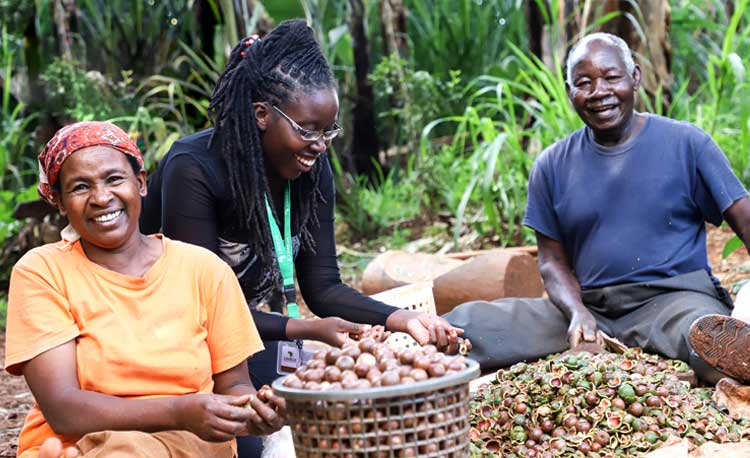
Field Team member assisting LIMBUA smallholder farmers
Out in the Field: Comparing Advisory Visits and Internal Inspections
Advisory farm visits are part of the daily core work of our field team. During these visits, Field Officers support smallholder farmers with practical guidance on mixed farming systems, plant health, soil care and cultivation practices. They answer questions, help farmers navigate day-to-day challenges, and provide hands-on agronomic support. This requires a balanced mix of technical knowledge, communication skills and sensitivity. These direct advisory visits are an important part of the daily work across the entire growing region.
Internal inspections, on the other hand, serve a different purpose. They are part of the formal quality control within the LIMBUA ICS and are carried out without providing advice. For these inspections, Field Officers rotate between farms so that each inspection is conducted by different staff members. This strengthens the objectivity of the process and ensures that all organic-relevant criteria are reviewed consistently and in a structured way.
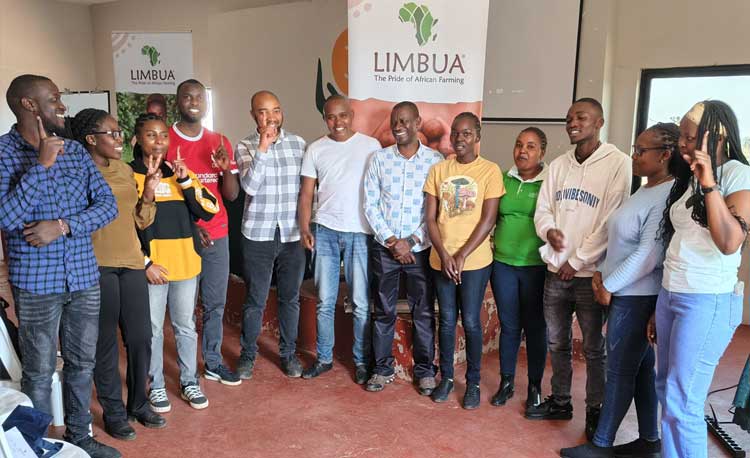
Our senior agronomists during the training
During the training, the team went through how inspection visits should be carried out under the updated EU organic regulations – from preparation and field observation to documenting findings precisely and completely.
Direct Benefits for Farmers
Regular training has immediate benefits for the smallholder families in the LIMBUA network. Technical support within the growing regions continues to be expanded: Field Officers become better equipped to detect diseases, nutrient issues, and other risks early and work jointly with farmers to address them.
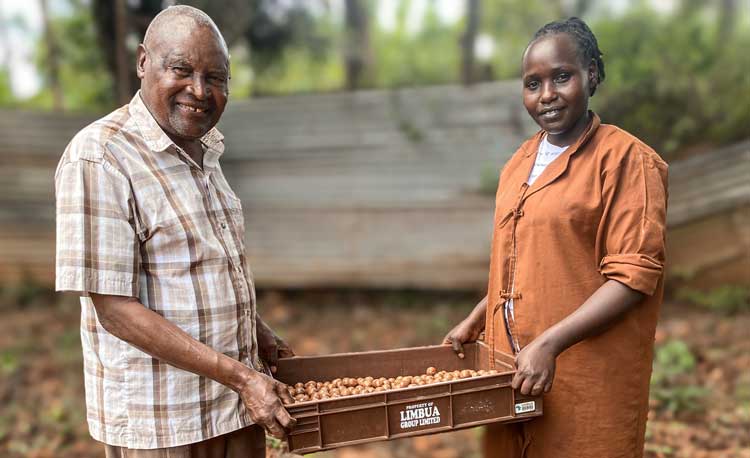
The relationship between farmers and LIMBUA Field Team members plays an important role in product quality
Farmers are also better prepared for audits. They develop a clearer understanding of the documentation required and which requirements are relevant for organic certification. This reduces the risk of non-compliance and can support long-term access to international markets.
The LIMBUA Field Team has played a central role in our cooperation with smallholder families for many years. This training marked another step in strengthening existing capabilities and preparing the team for future requirements.


