


In late summer, around 50 people came together at LIMBUA in Kenya for the multi-day Training of Trainers 2026 (ToT). Entrepreneurs, agronomists and experienced biodynamic agriculture professionals from different African countries and Germany brought their knowledge and experience into the training.
This year’s training focused on “Economic Value Chain - the financial aspect of running a large scale community enterprise”. The aim was to look at biodynamic agriculture not only from the perspective of farming, but also to consider its economic side. A farm may perform well from an ecological perspective but still struggle in the long term if there is no reliable market for its products or if production costs cannot be covered.
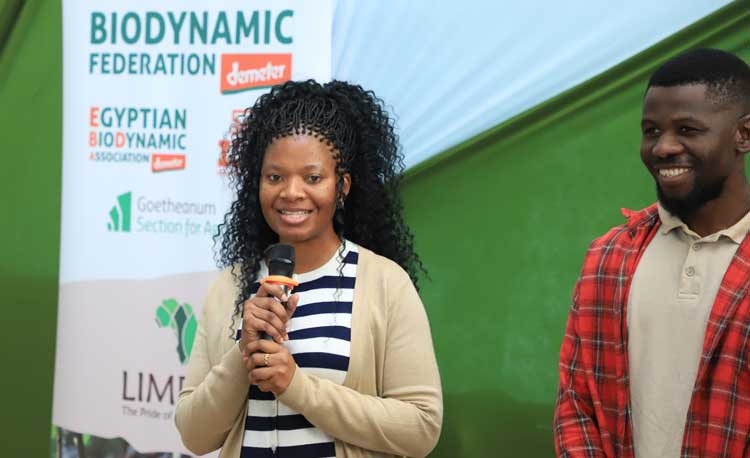
People from different African countries came together for the Training of Trainers at LIMBUA in Kenya
Learning, applying and passing on knowledge
The ToT is part of a series of trainings on biodynamic agriculture in Africa. The Indigenous Biodynamic African Association (IBAA), Biodynamic Federation Demeter International and the Goetheanum are among the organisations involved in organising and supporting the training.
The participants are expected to use what they have learned in their own trainings and in their work with farmers back home. The programme therefore also addressed how agricultural knowledge can be shared effectively. A traditional lecture format, in which one person speaks while the others listen, was contrasted with a more participatory approach.
This was also reflected in the training itself. Technical input alternated with practical work and the exchange of experiences. Putting knowledge into practice!
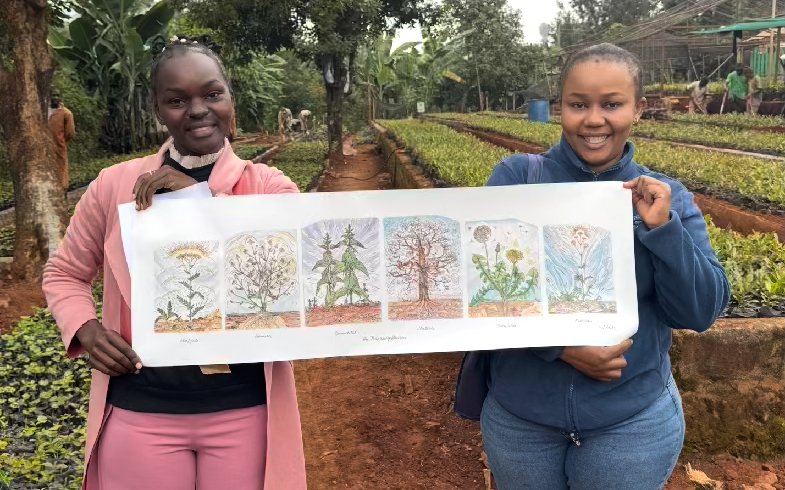
Artistic representation of plants used for biodynamic preparations
The idea of holding the ToT at LIMBUA emerged from discussions between LIMBUA founder Matti Spiecker and Angela Hofmann from SEKEM. During the training, our team provided insights into our work with smallholder farmers, the purchasing of their harvests and the subsequent processing of the products.
The organisation of a smallholder supply chain was also part of the exchange. The training looked at how farmers are supported and how purchasing directly from farms is organised digitally. The value chain was considered from the agricultural product through to international marketing.
This gave the guests an opportunity to see how the harvests of smallholder farmers become organic products for international markets: macadamia kernels, avocado oil and dried mangoes supplied in bulk for export.
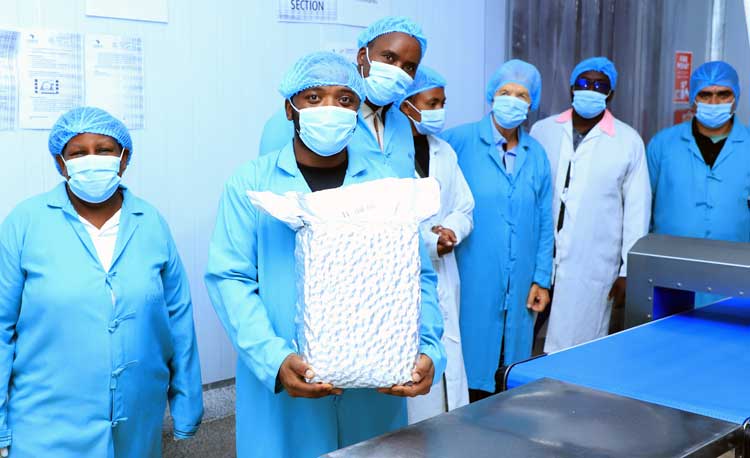
The training looked at value creation from agricultural production to a marketable product
Biodynamics in practice
Biodynamic practice formed a major part of the training. The focus was deliberately not limited to learning about methods through presentations. The group prepared different biodynamic preparations themselves and explored how they are prepared and applied on farms.
One focus was on preparations for soil and plants as well as various compost preparations. The group became familiar with the materials used and gained hands-on experience of the preparation process.
This practical experience is essential in a Training of Trainers. Those who will later work with farmers should not know a method only from a presentation, but understand how it works in practice.
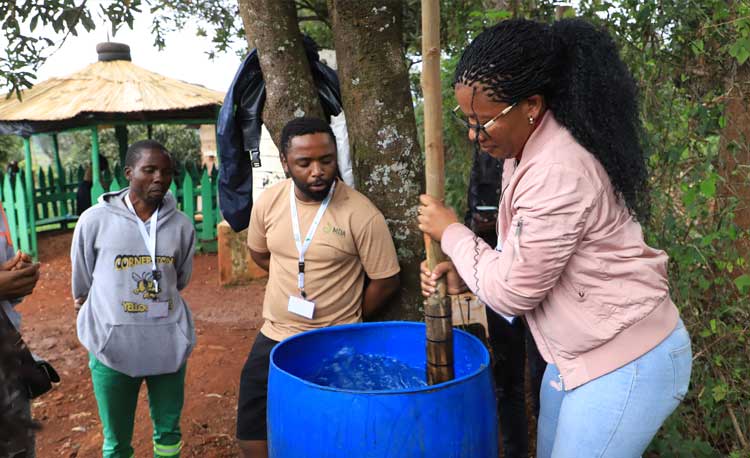
The group learned about biodynamic methods not only in theory but also by putting them into practice together
Compost: getting hands-on
On one of the smallholder farms working with LIMBUA, the group built a biodynamic compost pile together. The prepared organic materials were layered and the relevant compost preparations were added. Over the following days, the group monitored the development of the compost and turned it. This made it possible to observe directly how the composting process developed and how it can be managed.
At LIMBUA’s Ena site, the group encountered the same basic principle on a much larger scale. The processing of macadamias, avocados and mangoes generates large quantities of organic material there.
Wide terraces have been created at the Ena site for composting these organic residues. However, handling such large quantities brings different practical requirements compared with composting on a smallholder farm: material needs to be moved and turned regularly, while sufficient space is required for the different stages of the composting process.
This demonstrated the role compost can play both on an individual farm and within processing operations: organic material is not simply discarded but, wherever possible, returned to the agricultural cycle.
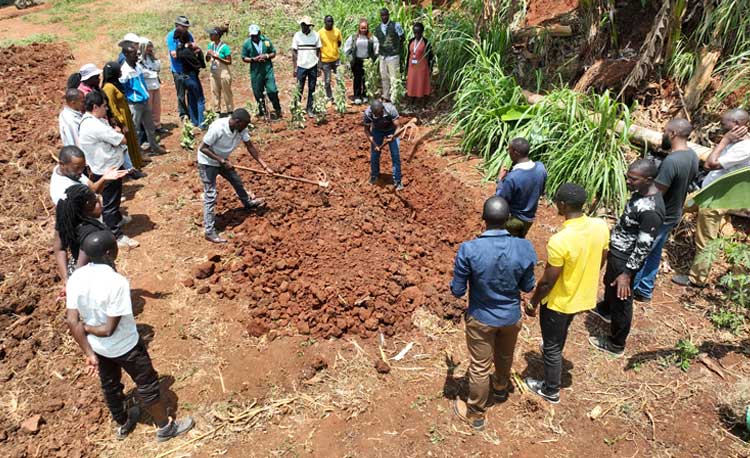
Composting plays a role both on smallholder farms and in making use of organic residues from processing
Observe first, then intervene
Another part of the training focused on plant diseases and pest infestations. Similar symptoms can have different causes, and not every change requires immediate treatment.
A simple example illustrates this: when aphids are present, the first step can be to check which beneficial insects are already present in the field. Ladybirds and lacewings feed on aphids and can help regulate their populations naturally. A broad-spectrum treatment, on the other hand, could also affect these beneficial insects.
Other options were also discussed, such as removing affected plant parts or using approved botanical and organic inputs when treatment becomes necessary. The key is to observe carefully first and then decide how to act.
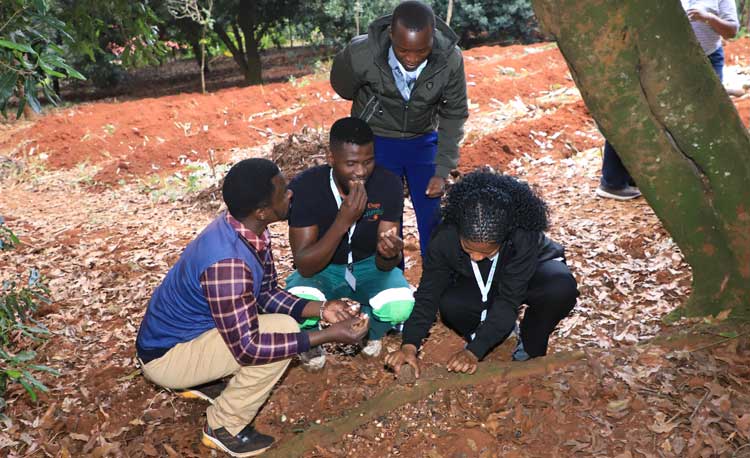
Careful observation of plants and their surroundings provides the basis for appropriate action
From Namibia to Kenya: farming under different conditions
Agriculture in Namibia takes place under very different climatic conditions from farming on the slopes of Mount Kenya. Experiences from Uganda, Tanzania, Malawi, Ethiopia, Zimbabwe and Egypt cannot simply be transferred from one region to another either. Climate, soils, rainfall and farming systems can differ considerably.
One session from Namibia, for example, focused on farming under very dry conditions. This gave particular importance to the question of how water can be used as efficiently as possible and retained in the soil. Agroforestry also brought together different experiences. Integrating trees with other crops can, for example, help protect the soil and retain water on farmland.
The ToT therefore did not offer a ready-made blueprint to be transferred from Kenya to other countries. Instead, the group was able to compare experiences and discuss which approaches are suitable for agriculture in their respective regions.
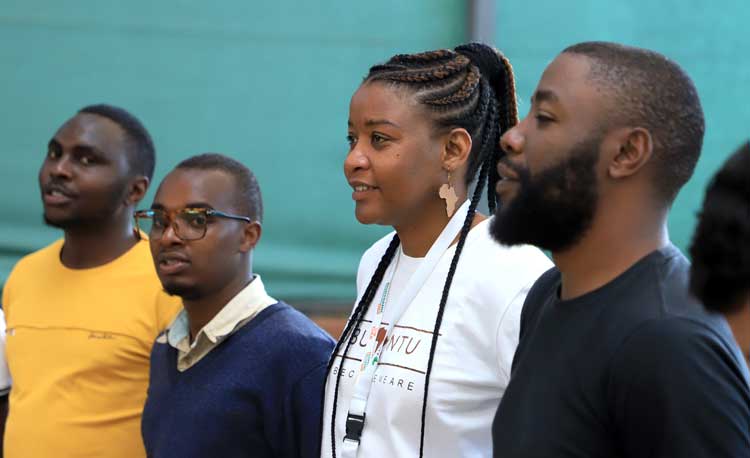
Agricultural conditions vary considerably across Africa, making the exchange of experiences from different regions particularly valuable
From harvest to a marketable product
The focus on “Economic Value Chain” also brought attention to the processing of certified raw materials. Once an agricultural product leaves the farm, its origin must remain traceable.
Using avocados as an example, the training showed how raw materials can be clearly traced from the registered farm through reception and into processing. For certified products in particular, this traceability is essential to ensure that their identity is maintained throughout processing.
The economic side of running a farm was another topic. Production costs need to be known, investments planned and market requirements taken into account. The “Economy of Love” approach presented by SEKEM added another perspective to the discussion: economic activity is considered together with its ecological and social impacts, rather than being viewed solely in terms of price and profit.
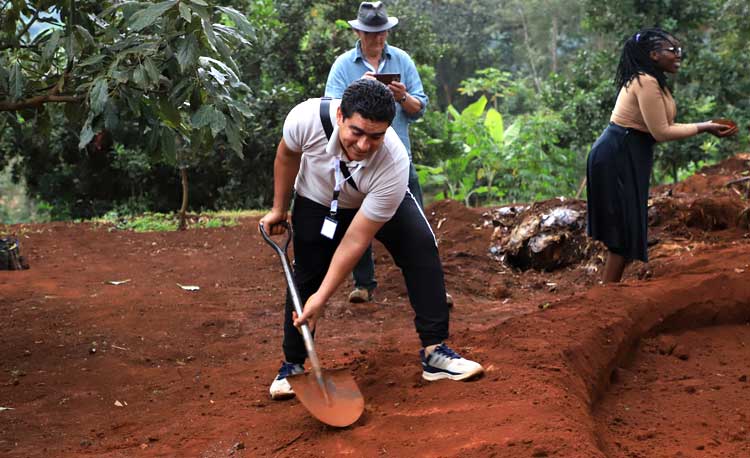
Hands-on work played an important role throughout the five days of training – moving from theory to practice.
From Embu back to many regions across Africa
The days at LIMBUA benefited from the different perspectives brought together during the training. Many years of biodynamic experience from different countries met smallholder agriculture on the slopes of Mount Kenya. The ToT was also valuable for us as hosts: people brought knowledge from their own regions, while gaining insights at LIMBUA into a model that combines organic agriculture with a large network of smallholder farmers and local processing.
The experiences from Kenya now travel further. As trainers and multipliers, those who took part can bring what they learned into their own work with farmers and combine it with the knowledge already present in their regions. This is at the heart of the Training of Trainers: learning together in one place can provide impulses for biodynamic agriculture in many places across Africa.
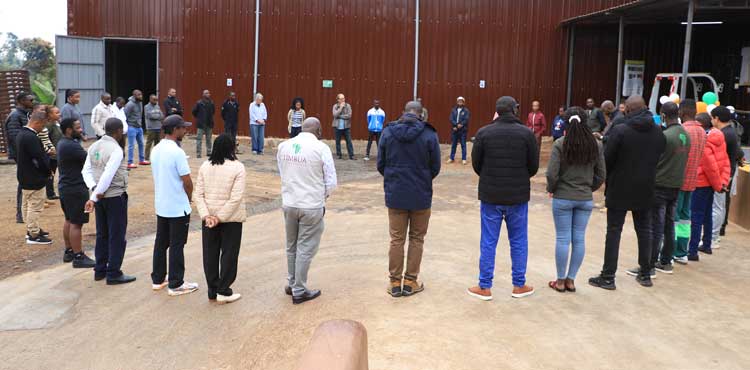
Experiences from different regions of Africa come together at LIMBUA in Kenya


