


Did you know that, according to figures published by the World Health Organization for World Food Safety Day 2023, an average of 1.6 million people became ill due to unsafe food every day?
By raising awareness and taking action on World Food Safety Day 2023, we can contribute to the prevention of foodborne diseases and the protection of public health. This includes implementing regulations and standards, improving surveillance and monitoring systems, and promoting good agricultural and manufacturing practices.
Food safety is everyone’s business...
...and compliance with certified standards is an important step in this process.
Thanks to our Kenyan Food Safety Team, LIMBUA holds certification according to the internationally recognised IFS Food and BRCGS Food Safety standards. We are proud to have achieved IFS certification at Higher Level.
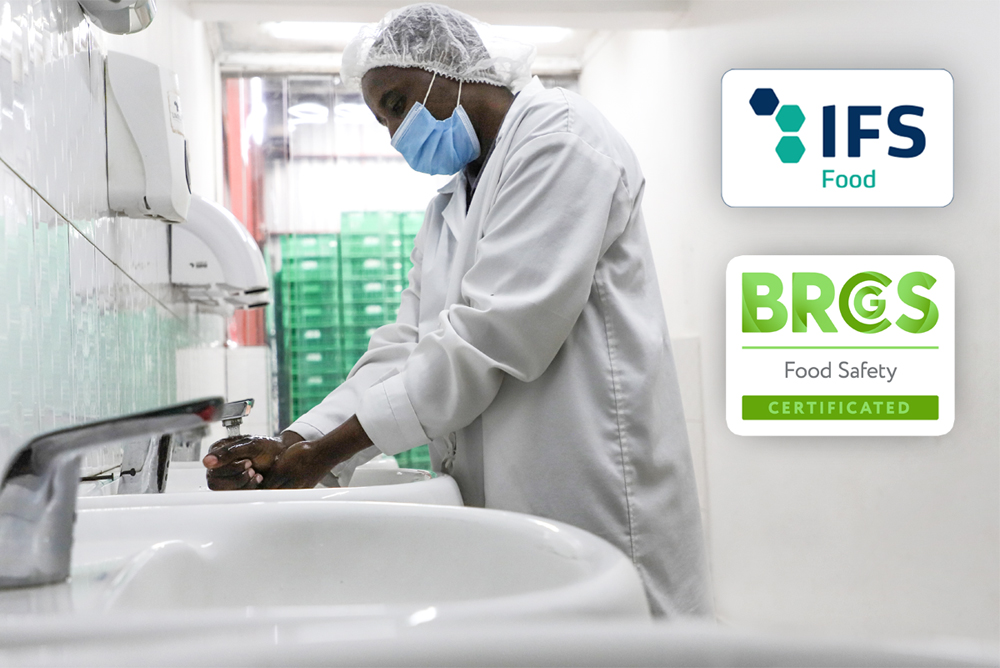
These certificates document compliance with defined food safety and quality management requirements. From freshly harvested raw materials sourced from our contract smallholder farmers to on-site processing and direct shipping without intermediate trade, LIMBUA implements documented procedures for risk management, hygiene and quality control for macadamias, avocados, mangoes, oils and other products.
Food standards save lives
According to the WHO figures published for World Food Safety Day 2023, around one in ten people worldwide became ill from foodborne diseases each year. Food standards help control risks and support food safety. The LIMBUA team in Kenya continuously monitors and reviews its processes to ensure compliance with the defined quality and safety requirements.
The Food Safety Team consists of 12 employees. Its main role is to guide the implementation of a positive food safety culture in accordance with the LIMBUA Food Safety Policy and the LIMBUA Food Safety Management System.
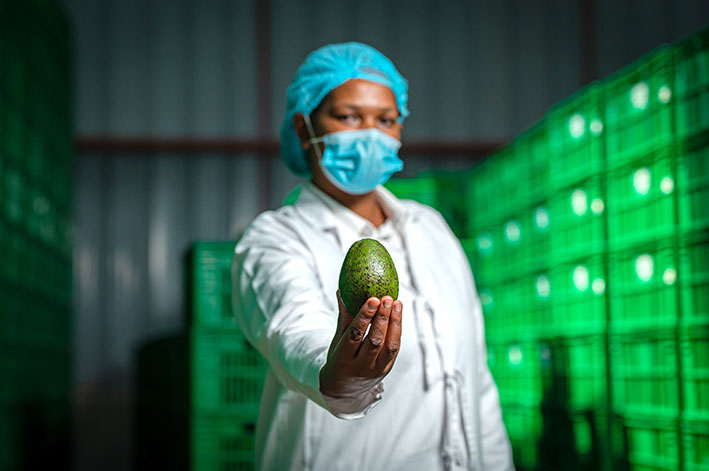
The team’s responsibilities include:
- Reviewing systems for the safe handling of food
- Training employees
- Maintaining records
- Implementing the requirements of different food safety standards
The team monitors food-handling and processing procedures throughout the value chain and reviews compliance with the defined requirements. Regular inspections and audits by certification bodies assess compliance with the applicable certification guidelines.
Our digital traceability system also contributes to food safety management. It enables traceability throughout the supply chain, from individual contract smallholder farmers to customers. The documented information supports quality control and the management of potential food safety risks.
In summary, food safety is of great importance. It directly affects health, contributes to the prevention of foodborne diseases and strengthens consumer confidence in food producers. We therefore work every day to comply with the defined safety and quality requirements for our products.


